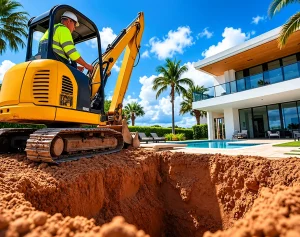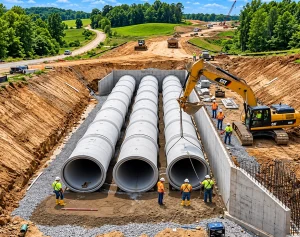
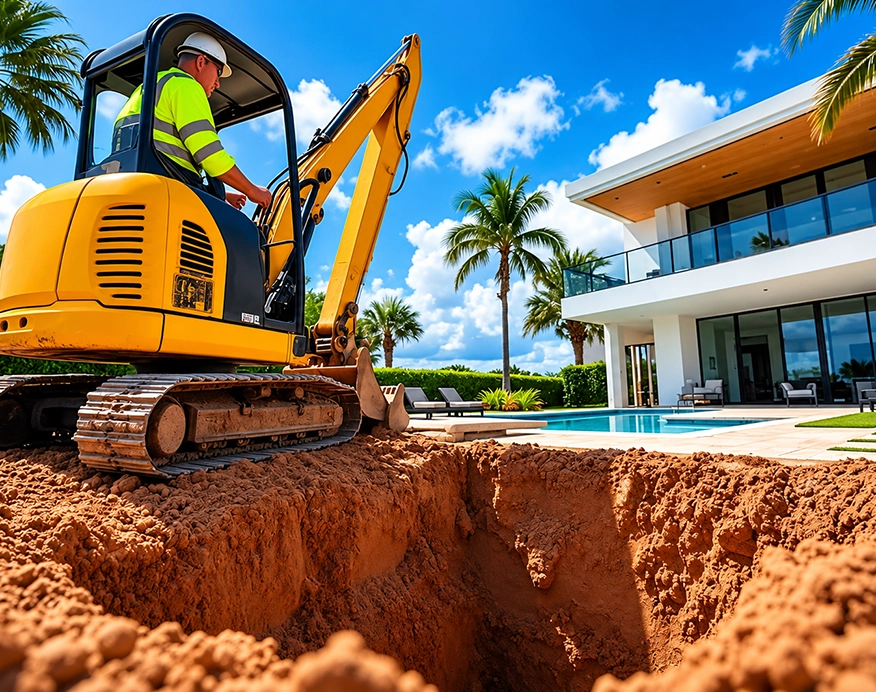
Excavation is often an important first step in a property improvement project. Whether you are preparing an area for planned construction, addressing site conditions, working on a driveway, or arranging excavation related to septic or utility work, planning ahead can help you understand what the job may involve. Before equipment arrives, it is useful to consider the project goals, property access, ground conditions, drainage, and any requirements that may apply to the site.
Brandon Kent Excavations and Septic LLC works with property owners in Ball Ground, Georgia, on excavation and related property projects. Every site is different, so the right approach depends on the work requested and the conditions on the property. The following checklist can help you prepare for a conversation about your excavation project.
Start With a Clear Project Scope
Begin by defining what you want the excavation work to accomplish. Are you preparing a section of land, improving access, making room for another project, or arranging excavation related to septic installation or utilities? A clear goal helps everyone understand what area may need work and what result you want to achieve.
It is also helpful to identify the approximate work area and share any plans, measurements, photos, or other information you already have. If you are coordinating excavation with another contractor, let the team know what work is scheduled before and after the excavation. Timing can matter when several parts of a project depend on one another.
The exact scope may change after the property and site conditions are reviewed. Discussing the intended outcome early helps identify questions that should be answered before work begins.
Check Equipment Access and the Work Area
Excavation equipment needs a suitable route to the work area. Gates, narrow driveways, fences, trees, landscaping, parked vehicles, slopes, and nearby structures can affect access and the way a project is approached. Share any known access limitations before scheduling the work.
Think about where equipment will enter and leave, where materials or excavated soil may be placed, and whether parts of the property need to remain accessible. If the work is close to a house, retaining wall, driveway, or neighboring property, point out those features during the initial discussion.
Clearing the work area may be helpful, but do not remove trees, disturb boundaries, or change drainage without confirming what is appropriate for your project. The preparation needed will depend on the site and the work planned.
Identify Underground Utilities Before Digging
Underground utility lines may include electricity, natural gas, water, telecommunications, and other services. Their locations are not always obvious from what can be seen above ground. Before digging, arrange the required utility-locating process and follow the applicable notification requirements for the property and type of work.
Do not assume a digging area is clear simply because there are no visible signs of utilities. Private lines or property-installed systems may require additional identification beyond public utility marking. If you know about private water lines, septic components, irrigation, outbuildings, or other buried features, share that information before excavation starts.
Utility locating is an important part of project preparation, but it does not replace careful planning and following the directions that apply to the marked area. If the proposed work changes, reassess the work area and any locating requirements before proceeding.
Consider Soil, Slope, and Ground Conditions
The ground can vary from one part of a property to another. Soil type, rocks, roots, buried debris, wet areas, slopes, and previous site disturbance may affect the work required. Conditions that are not visible from the surface can sometimes be discovered only as the project progresses.
Let the contractor know about known issues, such as areas that stay wet, previous fill, erosion, unusual settling, or places where equipment has had difficulty accessing the property. If the project is near a building, retaining wall, or steep slope, mention that as well. Some situations may require advice from a qualified engineer or another specialist before work moves forward.
A site-specific plan is more useful than assuming every property will behave the same way. Discuss how unexpected ground conditions would be handled and how they may affect the project scope or timing.
Think About Drainage and Water Flow
Excavation can change the shape and elevation of the ground, which may change where rainwater travels. Before work begins, look for low areas, standing water, eroded sections, ditches, culverts, and places where water naturally flows across or away from the property.
Consider what the finished area should look like after rain. A driveway, yard, building area, or septic-related project may have different drainage needs. Avoid directing water toward a home, neighboring property, or area where it could cause erosion. Depending on the project, drainage planning or additional approvals may be needed.
If drainage is one of the reasons for the project, explain the problem clearly. Photos taken after rainfall can sometimes help show where water collects or flows. Culvert installation or other drainage work should be planned around site conditions and any applicable local requirements.
Confirm Permits and Local Requirements
The approvals required for excavation depend on the project, its location, and the type of work involved. Some projects may require permits, erosion and sediment controls, stormwater measures, utility coordination, or other approvals. Work near public roads, drainage features, property boundaries, or environmentally sensitive areas may have additional considerations.
Before work is scheduled, confirm which requirements apply to your specific property with the relevant local authority or qualified professional. Do not assume that a permit is either always required or never required. Septic-related work may also have separate requirements, approvals, or inspections that should be confirmed before installation or related excavation begins.
Coordinate the Project Schedule
Excavation is often connected to other tasks, such as utility work, septic installation, driveway repair, construction, or landscaping. Discuss the sequence of work so the site is ready when equipment arrives and other scheduled work can follow as planned.
Weather and ground conditions may affect when excavation can be carried out. Rain can make some areas difficult to access and may affect soil movement or drainage. Build realistic flexibility into the schedule and share any deadlines or coordination needs at the start.
If another contractor is involved, confirm who is responsible for each stage and how changes to the plan will be communicated. Clear coordination can help reduce confusion when the project includes several related tasks.
What Information Should You Have Ready?
You do not need to know every technical detail before contacting an excavation contractor. However, a few basic details can make the first discussion more productive. If available, prepare:
The property location and best way to access the work area.
A short description of the work you want completed and the result you expect.
Photos, measurements, a site plan, or other relevant project information.
Details about slopes, wet areas, drainage problems, fences, nearby structures, or access limitations.
Any known underground utilities, septic components, previous site work, or other buried features.
Your preferred timing and information about other contractors involved.
If you do not have all this information, that is fine. Start with what you know and ask which additional details are needed to assess the project.
How Brandon Kent Excavations and Septic LLC Can Help
Planning excavation begins with understanding the property and the work requested. Brandon Kent Excavations and Septic LLC provides excavation and related services in Ball Ground, GA, including septic installation, utilities, culvert installation, driveway repair, and demolition. The right service and scope depend on your project and site conditions.
Contact us to explain what you are planning, where the property is located, and any site concerns you already know about. We can discuss the requested work and the next steps for determining whether the project is a fit.
Frequently Asked Questions
Do I need to prepare the property before excavation?
Preparation depends on the project. Discuss access, vehicles, landscaping, underground utilities, septic components, and any areas that should be protected before work begins.
Do excavation projects always require a permit?
No single answer applies to every property. Permit and approval requirements depend on the work and location. Confirm the rules that apply to your project with the appropriate local authority.
Why is drainage important before digging?
Excavation can change ground levels and water flow. Reviewing drainage in advance can help identify concerns about standing water, erosion, and where runoff may travel after the work is complete.
What should I share when requesting an estimate?
Share the property location, the type of work needed, the project goal, site access information, and any available photos or plans. Mention known drainage or underground utility concerns as well.