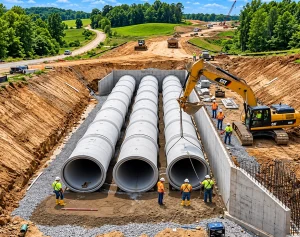
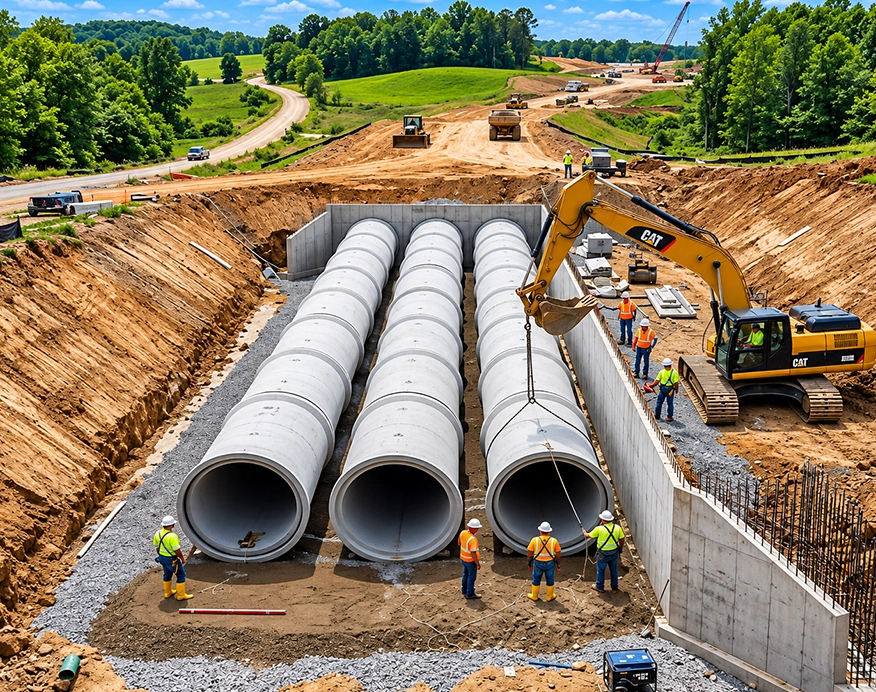
Water movement is an important part of maintaining a property. Rainwater needs a suitable path to flow, and areas such as driveways, ditches, entrances, and low spots can be affected when drainage is restricted. In some situations, a culvert can help water pass beneath a driveway or access point while allowing vehicles to move across the area.
Culverts are not a one-size-fits-all solution. The right approach depends on the amount and direction of water flow, the shape of the land, the size and condition of the drainage area, and any requirements that apply to the property. Brandon Kent Excavations and Septic LLC provides culvert installation among its listed services for property owners in Ball Ground, Georgia. Here are key points to consider when evaluating a culvert project.
What Is a Culvert?
A culvert is a structure, often made from a pipe or similar passage, that allows water to flow beneath an obstruction such as a driveway, access road, or raised section of ground. Rather than allowing water to collect on one side of the obstruction, a properly planned culvert can provide a route for water to pass through.
Culverts may be used where a driveway crosses a drainage ditch or where a water path needs to continue beneath a property entrance. The correct type, size, placement, and installation approach depend on the site. A culvert that is too small, poorly positioned, blocked, or not suited to the flow conditions may not perform as intended.
For that reason, it is important to consider the whole drainage area rather than choosing a culvert based only on the visible opening or the width of the driveway.
Signs That Drainage May Need Attention
Some drainage concerns are easy to notice after rain. Water may collect near a driveway entrance, flow across the driving surface, wash away gravel, or create channels in exposed soil. A ditch may also appear blocked or hold water longer than expected. These signs do not automatically mean a culvert is needed, but they can indicate that the drainage pattern should be reviewed.
Pay attention to where water comes from and where it goes. Runoff may arrive from an uphill section of the property, a roadside ditch, a neighboring area, or a broad section of yard. The low point where water collects may be different from the place where the underlying drainage problem begins.
If possible, observe the area during or shortly after rainfall and take photos from safe locations. Notes about recurring ponding, erosion, or driveway damage can help explain the problem when discussing the project. Do not enter fast-moving water or unstable ditches to inspect a drainage issue.
How Culverts Can Support Driveway Access
When a driveway crosses a ditch or natural drainage path, a culvert may allow water to pass beneath the entrance while providing a surface for vehicles to cross. This can help maintain access where the design is suitable for the site and the drainage needs.
The culvert and the material around it need to be considered together. Proper placement, stable support, suitable cover, and an appropriately prepared driveway surface all affect how the installation performs. The required approach will depend on the type of culvert, expected loads, ground conditions, and applicable specifications.
If a driveway is already showing washouts, soft areas, or uneven sections, it is worth discussing both the drainage pattern and the driveway condition. Repairing the surface without addressing the source of water may not resolve the underlying issue. Likewise, adding a culvert without considering the surrounding grade and outlet may not provide the result expected.
Choosing the Right Location and Size
A culvert should be planned around the path water needs to follow, not simply placed wherever installation seems easiest. The inlet, outlet, slope, surrounding ground, and available space all influence how water moves through the system. Existing ditches and drainage features may provide useful clues, but site-specific assessment is still important.
Sizing should account for the drainage area and the flow conditions the culvert may need to handle. A pipe that is too small can restrict flow and contribute to water backing up or overtopping the surrounding area. A poorly positioned outlet can also contribute to erosion or move the problem farther downstream.
The correct dimensions and installation details may need to be confirmed by applicable standards, local authorities, or a qualified professional, particularly where the culvert connects to a public road, roadside ditch, stream, or regulated drainage feature. Avoid selecting a size based only on a neighbor’s installation or a general online recommendation.
Protect the Inlet, Outlet, and Surrounding Ground
Water can move soil when it is concentrated in a narrow channel or exits a pipe at speed. The ground around the inlet and outlet should be considered as part of the installation plan. Depending on site conditions and approved design, measures may be needed to help limit erosion and keep the area stable.
Debris, leaves, sediment, and other material can obstruct the culvert opening over time. The surrounding ditch should be considered too, because a clear pipe cannot solve a problem if water cannot reach the inlet or leave the outlet. Maintenance needs vary with the property and the drainage environment.
Do not make changes to a ditch, stream, wet area, or neighboring drainage route without checking the applicable requirements. Altering where water flows can affect other parts of the property and may be subject to local or other rules.
Common Culvert Problems to Watch For
A culvert may need attention if water repeatedly backs up at the inlet, the opening becomes blocked, the ground around the pipe settles, or erosion develops near the outlet. A damaged pipe, crushed section, or poorly supported driveway surface can also affect drainage and access.
The cause should be understood before deciding whether cleaning, repair, replacement, or a broader drainage solution is appropriate. For example, recurring blockage may be linked to debris or sediment, while repeated overtopping could point to a capacity or site-drainage issue. These situations may require different responses.
If the area is near a public road or involves a roadside ditch, confirm who is responsible for the culvert and what approvals are required before making changes. Property boundaries and drainage responsibilities should not be assumed.
What to Consider Before Installing a Culvert
Before arranging culvert installation, gather a few details about the site and the problem you want to solve. This can help make the initial conversation more useful. Consider the following:
Where water enters the area and where it needs to flow.
Whether the culvert is for a driveway entrance, private access, or another location.
Signs of standing water, erosion, gravel washout, or repeated blockage.
The width and condition of the existing driveway or access point.
Any nearby road, ditch, stream, property boundary, or existing drainage structure.
Photos taken after rainfall and any information about previous repairs.
Any permits, right-of-way approvals, or drainage requirements that may apply.
Not every property owner will have all these details. Start with the issue you have noticed and the location. The installation plan should be based on the actual site and applicable requirements.
Culverts and Long-Term Property Maintenance
Once a culvert is installed, periodic observation can help property owners notice problems before they become more disruptive. After heavy rainfall, look from a safe location for obvious blockages, unusual ponding, fresh erosion, or changes in the driveway surface. Keep the inlet area free of loose debris where it is safe and appropriate to do so.
Avoid entering a culvert or confined drainage structure to clear a blockage. If the pipe appears damaged, the surrounding ground is unstable, or water is moving quickly, keep clear and seek qualified help. Maintenance should be appropriate for the structure and the conditions present.
A culvert is one part of a broader drainage system. The surrounding ditch, land slope, driveway surface, and outlet conditions all contribute to how the area functions. If a problem keeps returning, the drainage arrangement may need to be reviewed rather than repeatedly treating only the visible symptom.
How Brandon Kent Excavations and Septic LLC Can Help
Culvert installation is one of the services offered by Brandon Kent Excavations and Septic LLC, serving project needs in Ball Ground, GA. If water is affecting a driveway entrance, property access, or a drainage area, contact us to discuss the location, the issue you have observed, and the work you are considering.
Every site has different conditions, so the appropriate solution depends on the property, water flow, access needs, and applicable requirements. Sharing photos and a description of the problem can help start the conversation about the next steps.
Frequently Asked Questions
Does every drainage problem need a culvert?
No. A culvert may be suitable where water needs to pass beneath a driveway or other obstruction, but other drainage issues may require a different approach. The site and flow pattern should be assessed first.
Can a culvert help protect a gravel driveway?
A properly planned culvert can help maintain a drainage path beneath a driveway crossing. However, driveway performance also depends on grading, materials, water flow, and installation details.
What happens if a culvert is too small or becomes blocked?
Restricted flow may cause water to back up, overtop the area, or contribute to erosion. Debris and sediment can also reduce the opening. The cause should be identified before deciding on maintenance or replacement.
Do I need permission to install a culvert?
Requirements depend on the property and the culvert location. Work involving a public road, right-of-way, ditch, stream, or regulated drainage area may require approval. Confirm applicable requirements with the relevant authority before work begins.
What should I share when asking about culvert installation?
Provide the property location, the purpose of the culvert, where water is collecting or flowing, and any photos or details about the driveway, ditch, or existing pipe.